The Essene Hypothesis
Tier 3 · ArchaeologicalAn ascetic priestly sect — described by Josephus, Pliny, and Philo — withdrew to the desert. The Community Rule matches their theology and discipline.
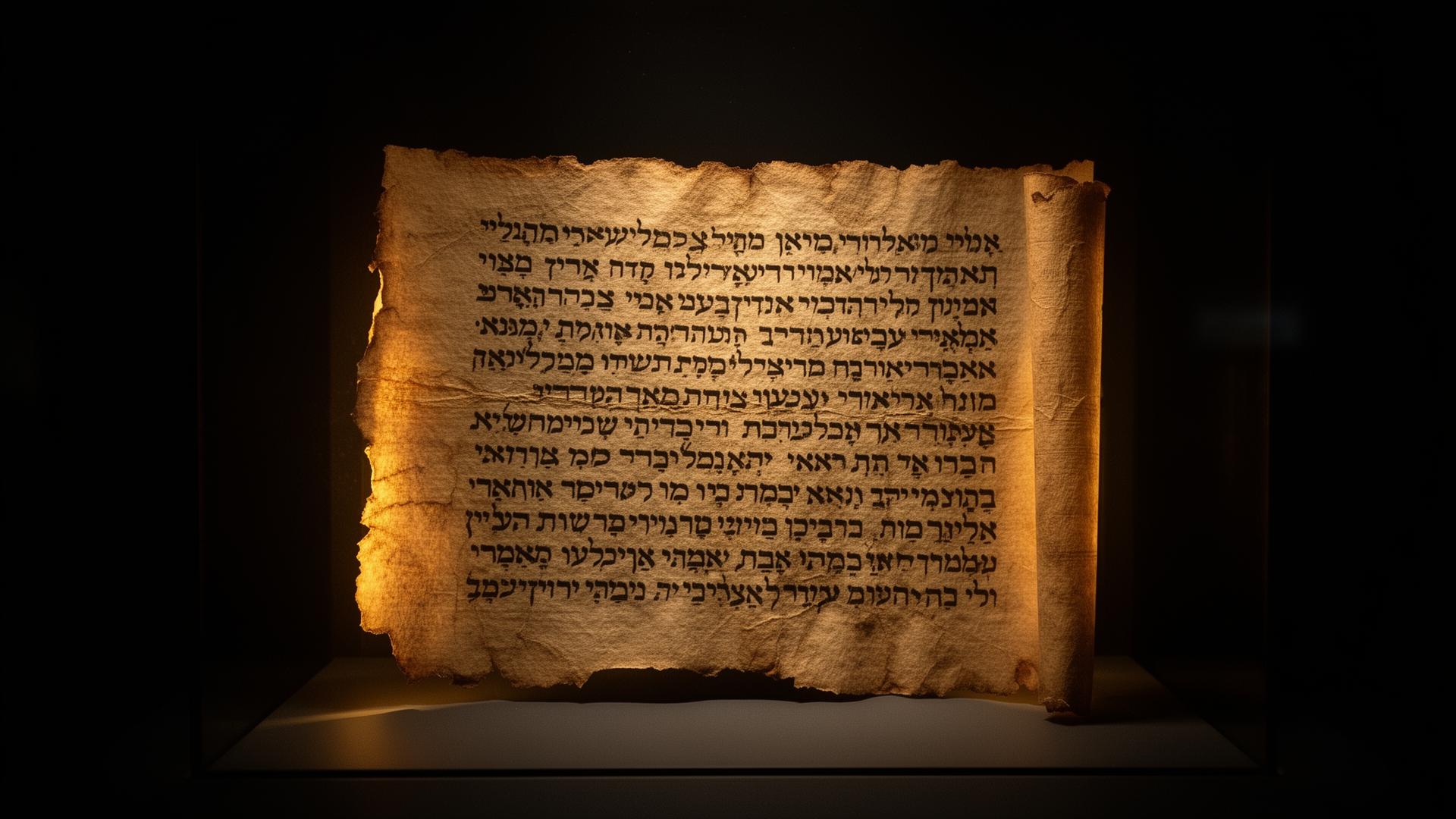
Qumran · 1947
In a cave above the Dead Sea, a Bedouin shepherd threw a stone and heard pottery break. Inside the jars: scrolls a thousand years older than any Hebrew Bible then known.
Eleven Caves · 1947–1956
Select a cave to read who found it, how, when, what it held, and to browse photographs of the site and its manuscripts.
Discovered Winter 1946–47
Cave 1
Great Isaiah Scroll, Community Rule, Habakkuk Pesher
View discovery story
Discovered February 1952
Cave 2
~33 fragmentary manuscripts including Jubilees and Ben Sira
View discovery story
Discovered 14 March 1952
Cave 3
The Copper Scroll (3Q15)
View discovery story
Discovered September 1952
Cave 4
≈15,000 fragments from roughly 600 manuscripts — the largest cache
View discovery story
Discovered 1952
Caves 5 & 6
Deuteronomy, Kings, and papyrus copies of sectarian rules
View discovery story
Discovered 1955
Caves 7–10
Greek papyri, phylactery cases, a single inscribed ostracon
View discovery story
Discovered January–February 1956
Cave 11
Temple Scroll, Great Psalms Scroll, Targum of Job
View discovery story
Side-by-Side · The Great Isaiah Scroll vs. Masoretic Text
Copied around 125 BCE. The Masoretic text — our standard Hebrew Bible — was finalized around 1000 CE. The differences across that millennium are remarkably few.
Isaiah 53:5
Col. XLIV
QumranBut he was wounded for our transgressions, he was crushed for our iniquities…
MasoreticBut he was wounded for our transgressions, he was crushed for our iniquities…
identical
Isaiah 53:11
Col. XLIV
QumranAfter the suffering of his soul he will see light and be satisfied
MasoreticAfter the suffering of his soul he will see and be satisfied
DSS adds 'light' (אור) — also in LXX
Isaiah 53:8
Col. XLIV
Qumranfor the transgression of my people he was stricken
Masoreticfor the transgression of my people he was stricken
identical
Open Debate
An ascetic priestly sect — described by Josephus, Pliny, and Philo — withdrew to the desert. The Community Rule matches their theology and discipline.
Zadokite priests fleeing the Hasmonean takeover of the Temple priesthood. Their library reflects ongoing temple polemic.
Qumran was a scriptorium safeguarding manuscripts brought from Jerusalem during the First Jewish Revolt. The diversity of texts argues against sectarian ownership.